
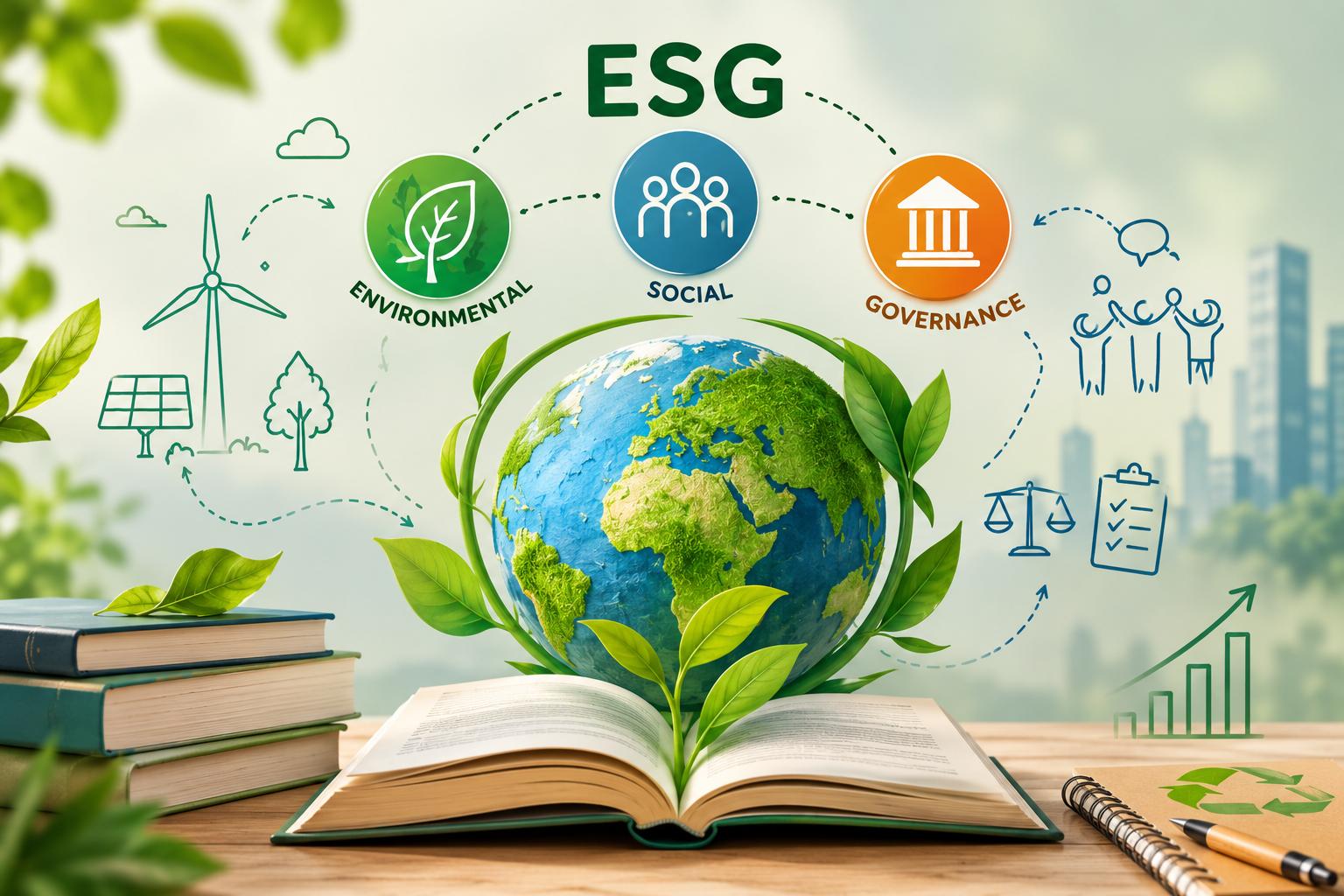
Most students today are familiar with the concept of sustainability. They hear about climate change, social inclusion, responsible consumption, and environmental protection both inside and outside the classroom. Yet understanding these concepts is only the first step. The real challenge is learning how to apply them. This is particularly true for ESG (Environmental, Social, and […]
Day: August 27, 2026

What Does ESG Inaction Really Cost?
In 2021, Deloitte estimated that failing to act on climate change could cost the global economy as much as $178 trillion by 2070 (S. https://www.deloitte.com/global/en/about/press-room/deloitte-research-reveals-inaction-on-climate-change-could-cost-the-world-economy-us-dollar-178-trillion-by-2070.html). Although the study was published a few years ago, its findings remain highly relevant today, as climate-related risks continue to intensify and the economic consequences of delayed action become increasingly […]

Why Schools Should Teach ESG Alongside Sustainability
When we ask students what sustainability means, the answers often come quickly: protecting the environment, reducing waste, fighting climate change, and creating a better future. These responses show that sustainability has become part of the vocabulary of younger generations. Yet there is another question that often remains unanswered: How can we turn sustainability into action? […]
Empowering the Next Generation: Understanding ESG for a Sustainable Future
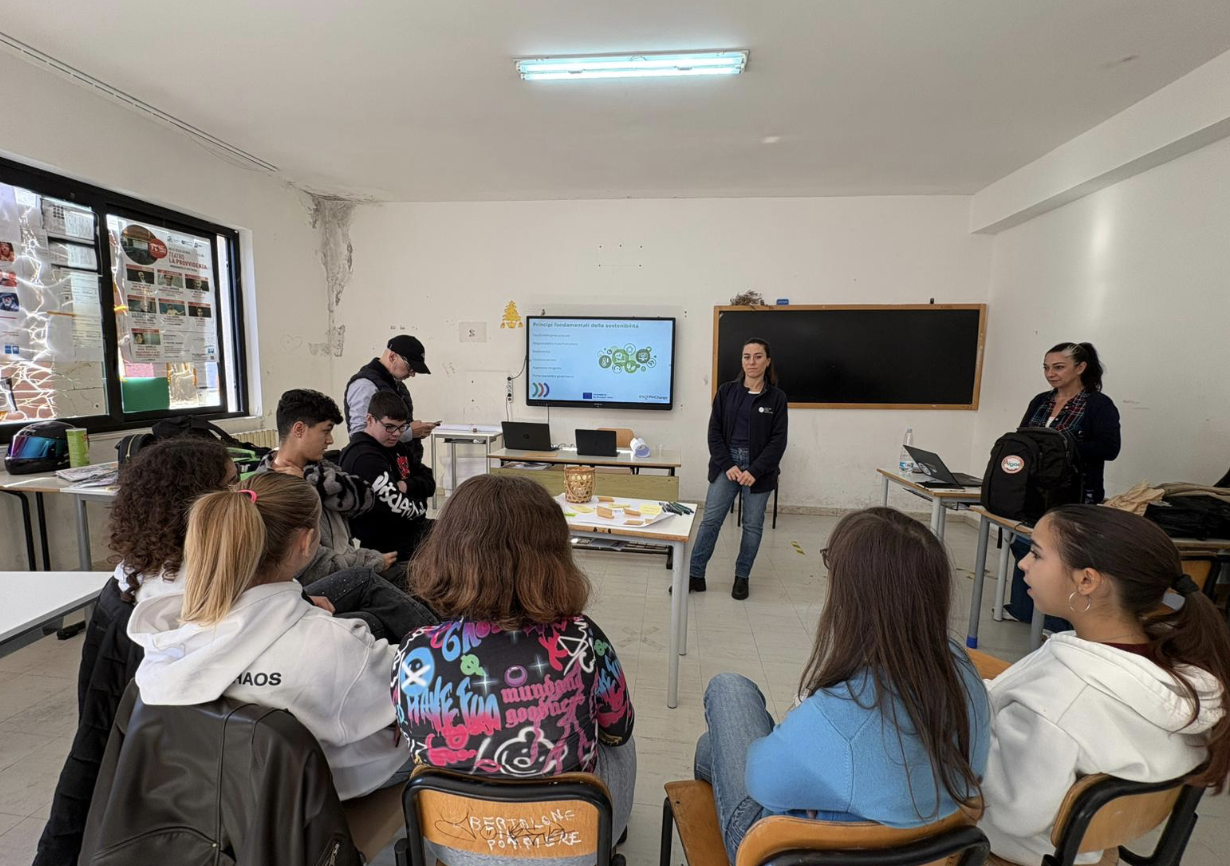
On Friday, November 14th and 17th, the Future Food Institute visited the Istituto Omnicomprensivo Ancel Keys in Castelnuovo Cilento (SA) to engage with students about the ESG4PMChange project. Bridging the Gap Between Sustainability and Measurement Sustainability is a concept that most students are familiar with—it’s a core part of our modern discussions about climate change, […]
The ESG data problem: how project teams can collect better evidence from day one
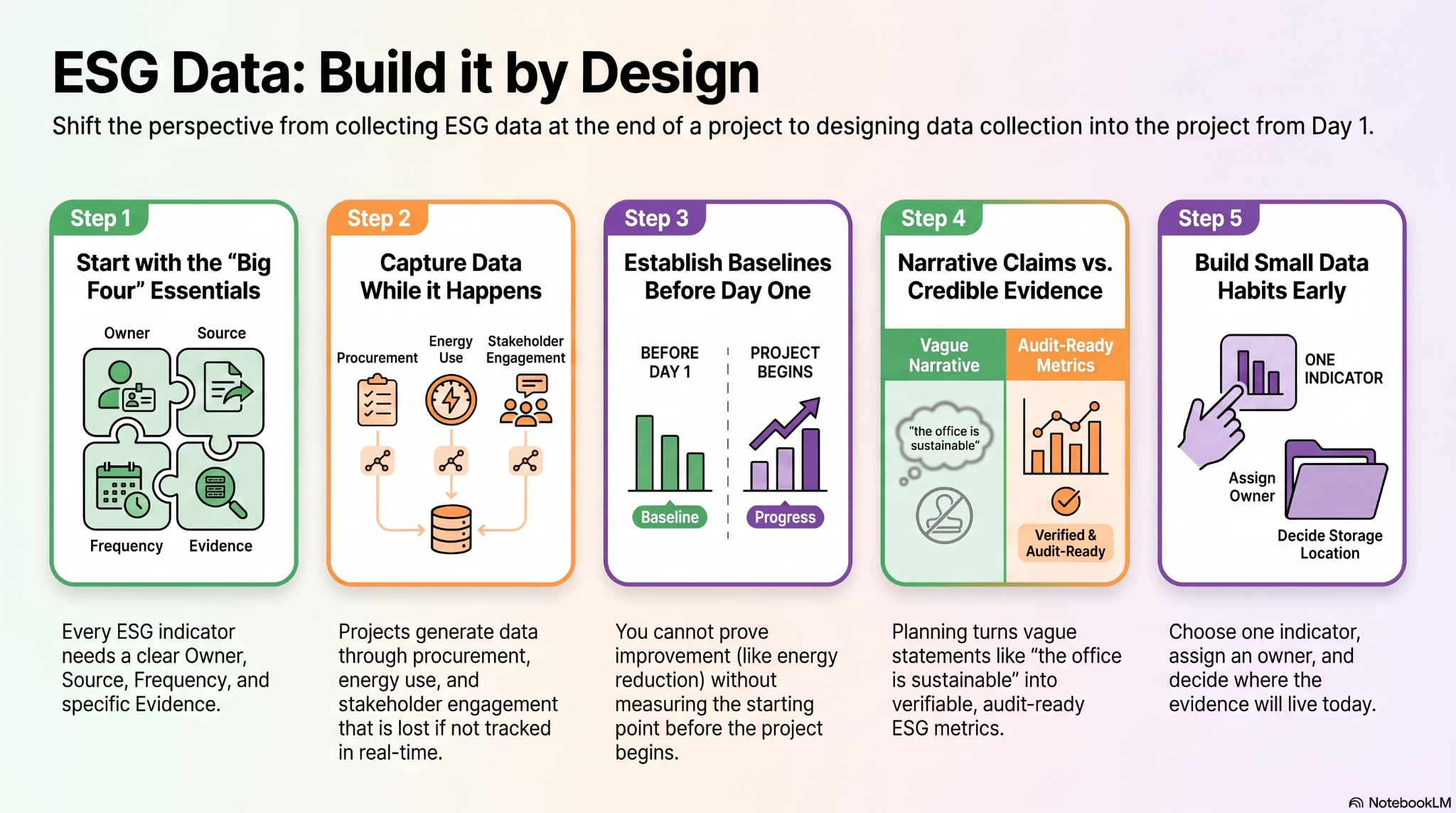
ESG is often discussed as a matter of strategy, regulation, reporting or reputation. Organizations set sustainability goals, prepare policies and communicate commitments. Yet when the time comes to prove progress, many face the same problem: the data is missing, scattered or difficult to verify. This is where project management enters the ESG conversation. Projects are […]
Is your project really green? What project managers should know about the EU Taxonomy
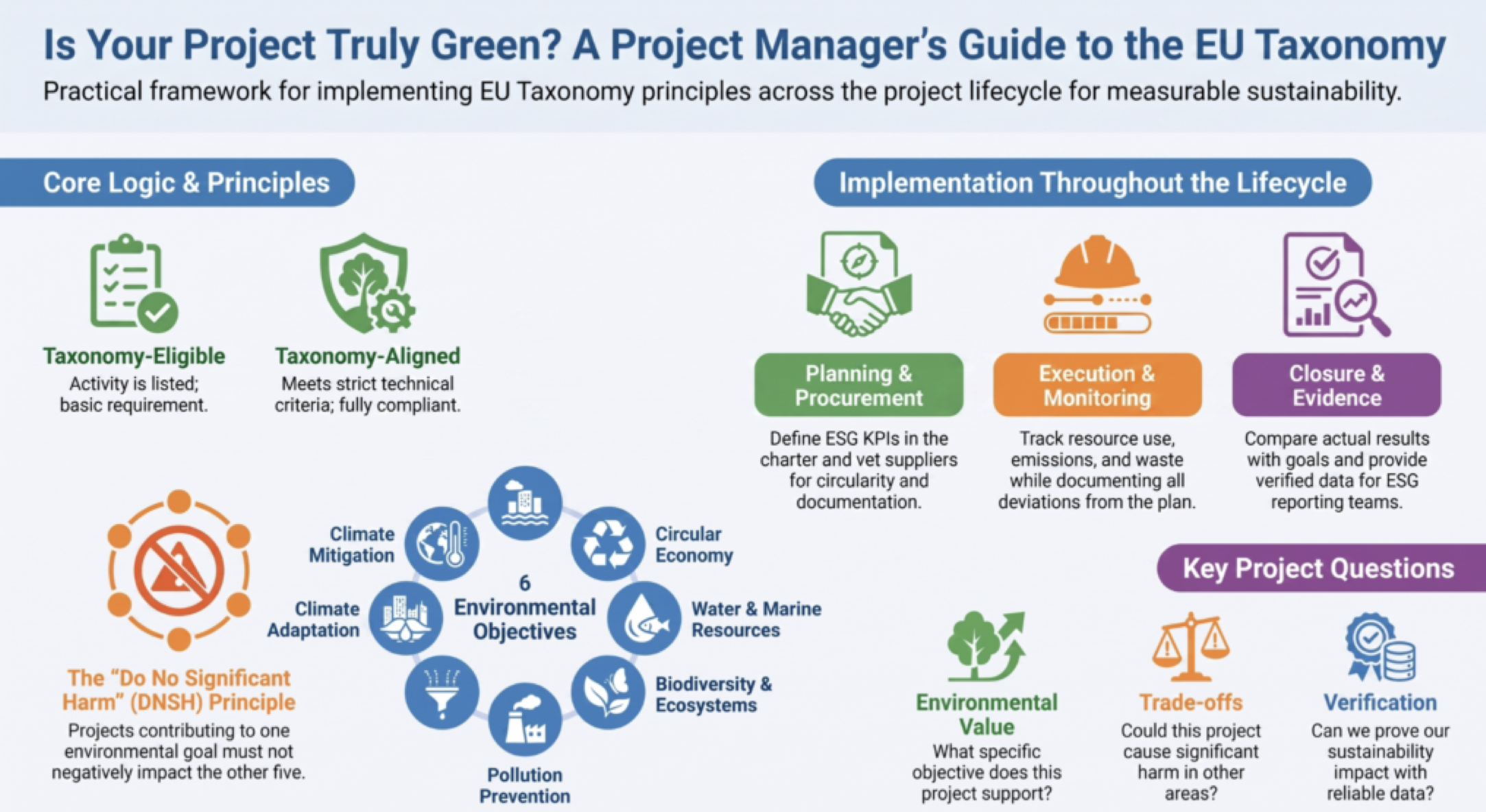
“Green”, “sustainable”, “climate-friendly”, “ESG-aligned” — these words are now everywhere in business communication. They appear in strategies, investment plans, project proposals and annual reports. But one question remains difficult: How do we know whether a project is really green? This is where the EU Taxonomy becomes useful. It was created as a common classification system […]

ESG Reporting in Poland: what project leaders should know
Introduction ESG reporting in Poland is no longer a distant European policy discussion. It is becoming a core part of the everyday business landscape. With the implementation of the Corporate Sustainability Reporting Directive (CSRD) into Polish law, sustainability information is moving closer to financial reporting, audit processes, governance systems, and operational decision-making. For project leaders, […]

The Future ESG Project Office: Data, AI Agents, and Human Accountability
For many organisations, ESG is still managed through documents, spreadsheets, emails, and occasional reporting cycles. Project managers collect evidence, update trackers, chase stakeholders, and prepare summaries for decision-makers. But ESG work is becoming too complex to manage only as an administrative task. The future ESG Project Office will not be just a place where reports […]
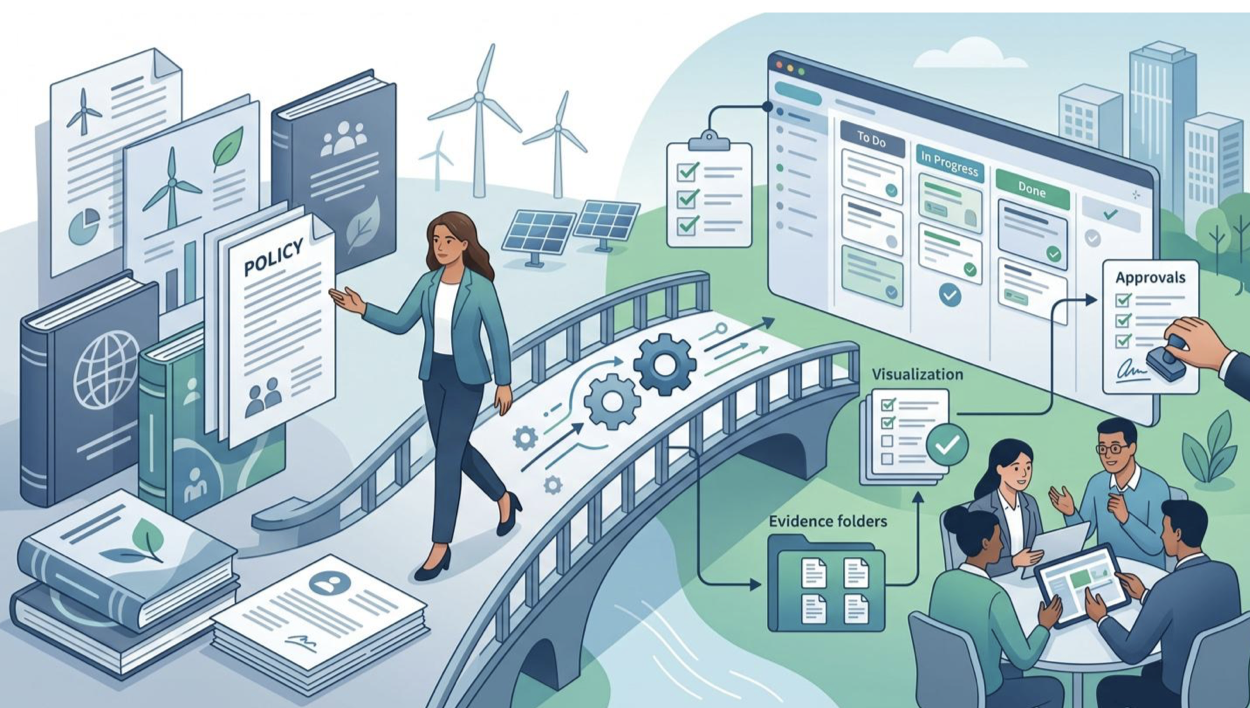
From EU Regulation to Daily Project Tasks: Translating ESG into Workflows
For many project teams, ESG starts as a regulation, a policy document, or a reporting requirement. It often arrives in the language of frameworks, standards, indicators, disclosures, and compliance. This is where project management becomes essential. The real challenge is not only understanding ESG regulation. The real challenge is translating it into daily work: tasks, […]
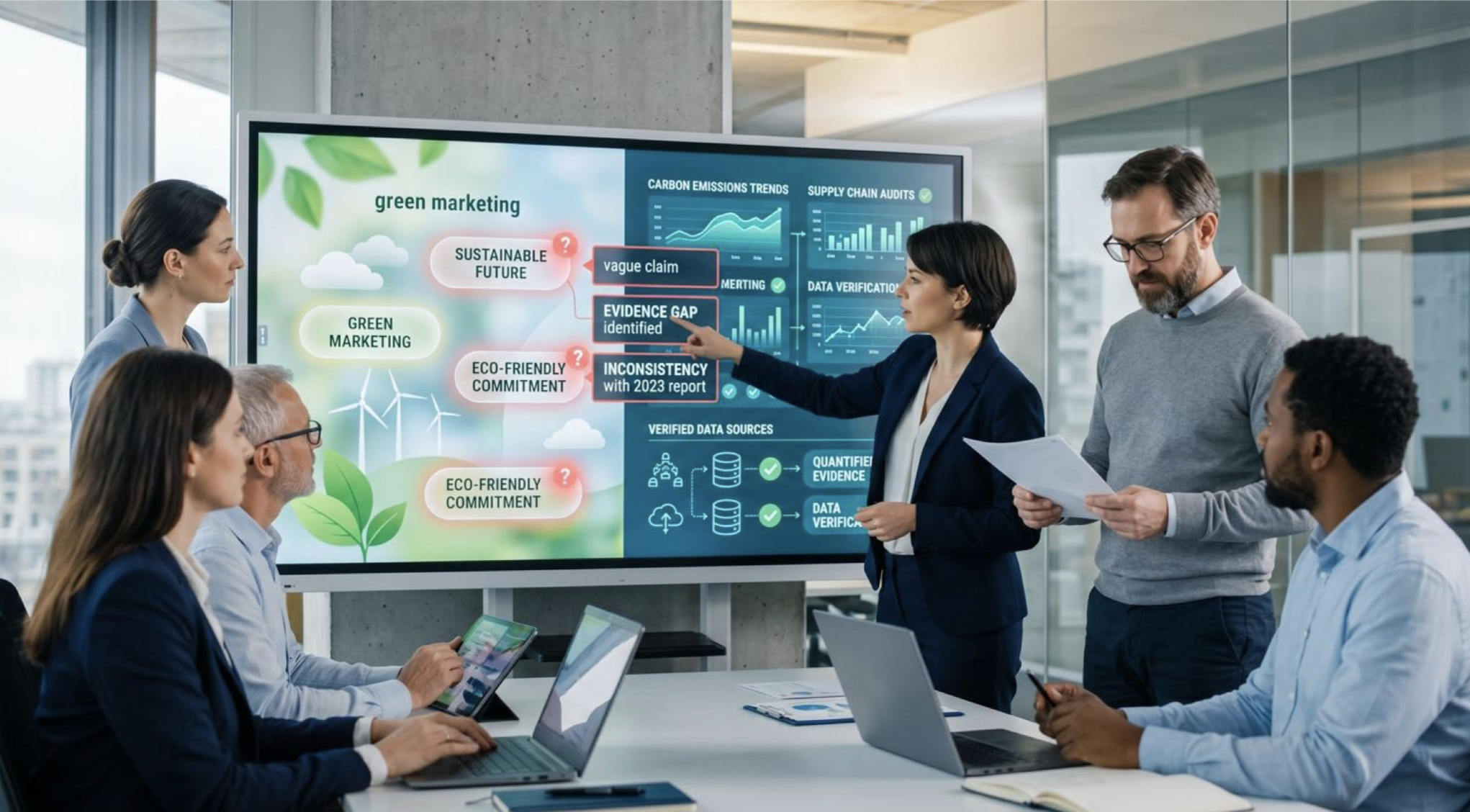
Can AI Help Project Teams Avoid Greenwashing?
Greenwashing is not always intentional. Sometimes it begins with a confident sentence in a report, a vague sustainability claim in a presentation, or a project update that sounds better than the available evidence. A team may say a project is “sustainable,” “inclusive,” “low-impact,” or “responsible”, but can they prove it? This is where project managers […]