
In Environmental, Social, and Governance (ESG) Project Management, it is very frequent that the conversation is about design, delivery, systems, metrics, and compliance frameworks. Yet behind every project milestone, sustainability goal, or governance directive, there are people — stakeholders with voices, interests, and needs. This is why Stakeholder Engagement and Communication is not just another box to tick in ESG project management — it is a cross-cutting, transformative competency that powers meaningful, lasting change in all the phases and activities of a project.
The ESG4PMChange Competency Framework that is being developed as part of the project recognizes this truth by embedding stakeholder engagement and communication into all five of its key domains: core project management, environmental, social, governance, and cross-cutting competencies. Its omnipresence across the framework is no coincidence — it is a signal that effective stakeholder engagement is central to success at every level of project work, from planning and execution to evaluation and long-lasting impact.

The Human Dimension of Project Management
At its core, stakeholder engagement is about relationships. It requires project professionals to go beyond spreadsheets and schedules to cultivate trust, empathy, and dialogue with those affected by or involved in the project. Whether working with local communities, regulatory bodies, internal teams, or marginalized voices, professional project managers need to conduct themselves with a listening spirit, sensitivity, and a strategic approach to explore win-win situations.
This is not a soft skill — it’s a strategic capability. Stakeholder resistance can derail even the most technically sound project. Conversely, early buy-in, transparent communication, and participatory planning can turn complexity into collaboration and conflict into innovation.
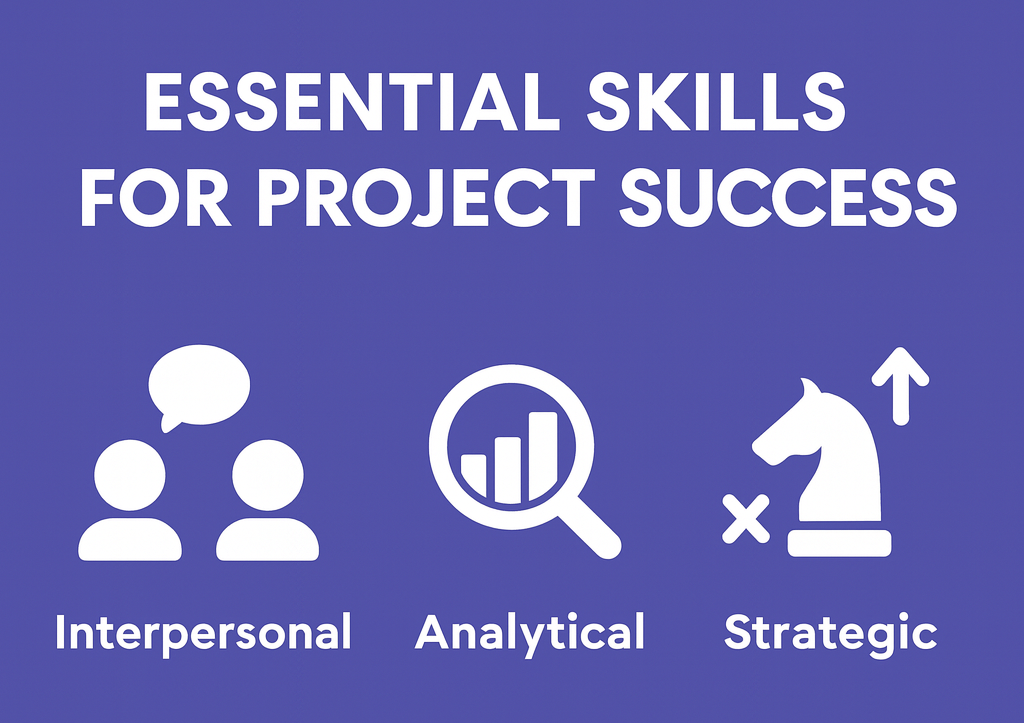
Skills that Matter: Interpersonal, Analytical, Strategic
Excelling in stakeholder engagement demands a unique blend of competencies:
- Interpersonal skills: Listening actively, building rapport, navigating cultural and organizational dynamics.
- Analytical skills: Mapping stakeholders, understanding power relations, identifying expectations and potential friction points.
- Strategic thinking: Aligning engagement approaches with project goals, regulatory contexts, and ESG principles.
Project managers must act as translators — not just of technical jargon, but of values, concerns, and aspirations across diverse actors. They must be able to shift perspectives, anticipate risks, and adapt engagement strategies as contexts evolve.
Participation Is Not a Checkbox — It’s an investment
Too often, stakeholder engagement is treated as a formality. A consultation workshop here, a press release there. But true engagement is an investment — in relationships, in legitimacy, and ultimately in enhanced ownership and better outcomes.
This means going beyond informing and consulting, and moving toward co-creation, inclusion, and empowerment. Projects that integrate meaningful stakeholder participation not only gain social endorsement but often surface smarter, more innovative solutions to complex ESG challenges.
Planning for Engagement: Tools and Tactics
Meaningful engagement doesn’t happen by chance. It must be planned and resourced, just like any other project component. A robust stakeholder engagement strategy includes:
- Clear stakeholder mapping: Who is affected? Who has influence? Who has been historically excluded?
- Tailored communication channels: Are you using the right language, platform, and medium for your audience?
- Feedback loops: Are you not just hearing, but responding to stakeholder inputs?
- Monitoring and learning mechanisms: Are you tracking engagement effectiveness and adapting as needed?
These tools are not just good practice — they are essential for delivering on ESG commitments in an accountable, impactful way.
The Strategic Value of Engagement
In today’s ESG landscape, stakeholder engagement is no longer optional. Regulations like the CSRD, SFDR, and GRI standards place growing emphasis on how organizations engage with their stakeholders. Investors, too, are asking tough questions about social impact and governance transparency.
In this context, competent stakeholder engagement becomes a source of strategic advantage. It builds trust, reduces risks, enhances legitimacy, and strengthens project outcomes. It also reinforces the organization’s values, reputation, and resilience.
In Summary
Stakeholder Engagement and Communication is not an isolated activity or function — it is the connective tissue of effective ESG project management. It is the human engine that drives ethical, impactful, and sustainable progress.
As the ESG4PMChange Competency Framework will make clear, investing in this competency is not just about better project delivery — it’s about nurturing a new generation of project leaders who are equipped to manage complexity with people, not just for them. And that might just be the most transformative shift of all.
Written by: Agustín Moya Colorado, PM²Alliance